

A blown fuse on a 108-degree afternoon is one of the more maddening things a Tucson summer can throw at you. You reset it, the AC runs for a while, then it blows again. At Viking Cooling & Heating, we get these calls constantly once the heat sets in, and the key thing to understand is this: a blown fuse is a symptom, not the disease.
Something is making your system draw more power than the fuse can handle, and the fuse is doing its job by cutting out before something worse burns up.
Where the Fuse Lives
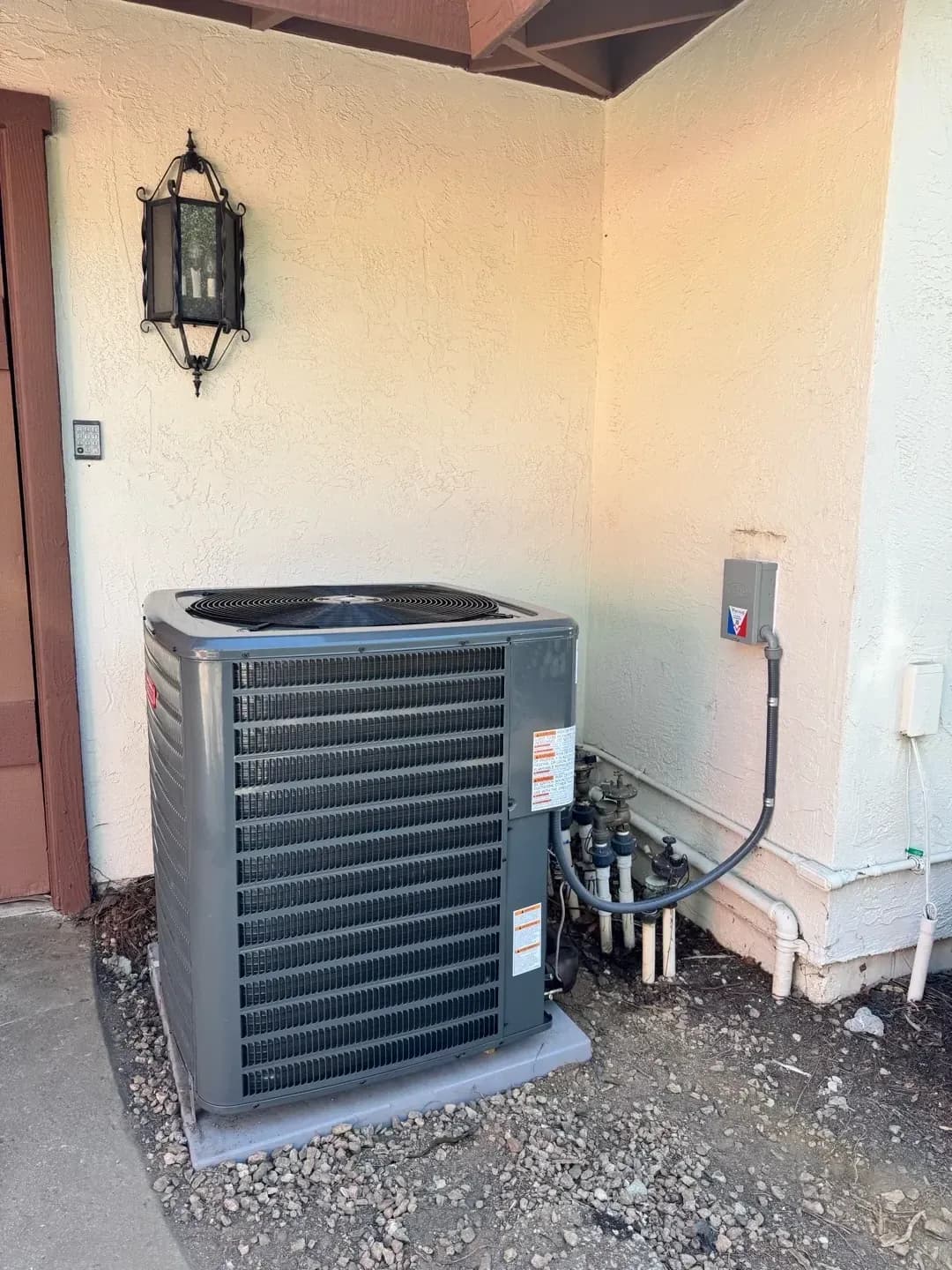
Most outdoor AC units have a disconnect box mounted on the wall nearby, and inside it are cartridge fuses. Those are usually what blow. Don’t confuse them with the breaker in your main panel or the small fuse on the indoor control board, though those can trip too.
A Quick Clue: How Fast It Blows
The timing tells you a lot:
- Blows immediately when the system tries to start: usually a short circuit or a dead compressor
- Blows after running a while: usually overheating from dirty coils, poor airflow, or low refrigerant
Why It Keeps Happening
The usual suspects, several of which thrive in Tucson’s climate:
- A failing capacitor. Extreme heat is hard on capacitors, and a weak one causes power spikes that pop fuses. This is one of the most common causes here.
- A dirty condenser coil or clogged filter. Desert dust and monsoon grime make the system work harder and run hotter, which drives up the current draw.
- A hard-starting or failing compressor. As it wears, it pulls more power just to get going.
- Loose or damaged wiring. Vibration, weather, and the occasional chewing critter can create shorts in the outdoor unit.
- The wrong fuse. An undersized or wrong-type fuse blows under normal startup load.
- Low refrigerant. A leak makes the system strain, which shows up as extra electrical draw.
- Monsoon power surges. Summer storms and grid swings can push a marginal system over the edge.
What You Can Safely Try
A few homeowner-safe checks before you call:
- Replace the air filter if it’s dirty
- Clear leaves, dust, and debris off the outdoor unit and give it two feet of clearance
- Make sure supply and return vents inside aren’t blocked
- Confirm the replacement fuse is the exact amperage and type listed on the unit’s label
- Replace the fuse once and see if it holds
One firm rule: replace it once. If it blows again, stop. Repeatedly swapping fuses on a system with a short or a failing part risks a fire and bigger damage. That’s the point to call for AC repair in Tucson and let a tech track down the cause safely.
Why “Just Replace the Fuse” Backfires
A fuse is the cheap part standing between a small problem and an expensive one. Bypassing it, upsizing it, or replacing it over and over strips away that protection and lets the real issue, often a capacitor or compressor, do serious harm. Fixing the cause is always cheaper than replacing a compressor that cooked itself.
Stop the Cycle for Good
Most repeat fuse problems trace back to heat, dust, and a part quietly wearing out. A seasonal tune-up catches a weak capacitor or a filthy coil before it strands you mid heat wave. Regular AC maintenance is the simplest way to keep your system’s electrical load where it belongs.
Viking Cooling & Heating helps homeowners across the Tucson metro get to the bottom of blown fuses instead of just chasing them. Book an appointment and we’ll find what’s really tripping your system.